Biology knows no prestige
Beauty’s axis in the aisles of Sephora

Summary
- Price affects product interest within beauty categories differently. At Sephora, skincare interest drops by about 50% with every unit increase in price. Fragrance does the opposite, rising 25%. Makeup barely moves at all.
- These different responses to price are a function of where the products sit on an axis of two kinds of value: technological (where objective systems with stable meanings dominate) and contingent (a space of relationality and unstable meaning). As a general rule, skincare is technological, fragrance is contingent, and makeup straddles the line.
- Knowing which space a product occupies is fundamental to knowing how to position a product. It helps explain the success of The Ordinary's 2024 marketing campaign, and Rhode's strategy of splitting technological and contingent value propositions between its skincare and accessories. It also leads to the hypothesis that, in economic downturns, people will downgrade luxury items only within market spaces (i.e., from Bottega to Dior fragrance), but not across them (from Bottega to La Mer).
There are two ideas of what the world is, and from them, two ideas of what beauty is. You are a personal shopper for two clients; you have accounts at two stores for both kinds. “Buy me things to make me beautiful,” says the first, who believes beauty is harmony and symmetry, the geometric average of all human faces, that there exists in the cosmos a blueprint for perfection and what is beautiful has studied its designs. At the first store, you purchase some peptide cocktail, a bottle of retinol, a canister of minoxidil, a 660nm red light therapy mask, a treadmill, a water purifier, and a gift certificate for a rhinoplasty. The second client believes beauty is her lover’s scar, the smell of slightly turned plums from childhood, barefaced one day and nail extensions the next, something we hear as a beholder and can only be glimpsed through their eyes, and when she tells you to also buy her things to make her beautiful, you go to the second store and buy a bottle of Baccarat Rouge 540 (not every client can pull it off, but you know this one can), Patrick Ta bronzer and Kylie mascara, a pair of cheap silver hoop earrings, the same Cartier Tank her mom had, and a satin slip.

Compartmentalizing retail along these lines, as we'll argue in a moment, makes at least as much sense as having Fenty down the aisle from gua sha stones. What do they have in common? From the standpoint of underlying value structures, about as much as balloon animals and iron ore.
If we want to examine the dynamics of price and demand within beauty and the worlds they belong to, there are few places that offer a better opportunity than Sephora, where each product page displays a product’s love count. Unlike reviews, which are often fragile indicators, love counts are left by signed in users, harder to fake, and appear to closely mirror the documented revenue of the store’s products (e.g., the Summer Fridays Lip Butter Balm Treatment is both the store’s most successful product and the product with the highest love counts). Whether any given addition to a person’s wish list counts as a purchase or a desire to purchase is of less consequence than the fact that both of those things, in aggregate, constitute demand.
So how does that demand signal correlate with the prices of the products? Here's skincare:
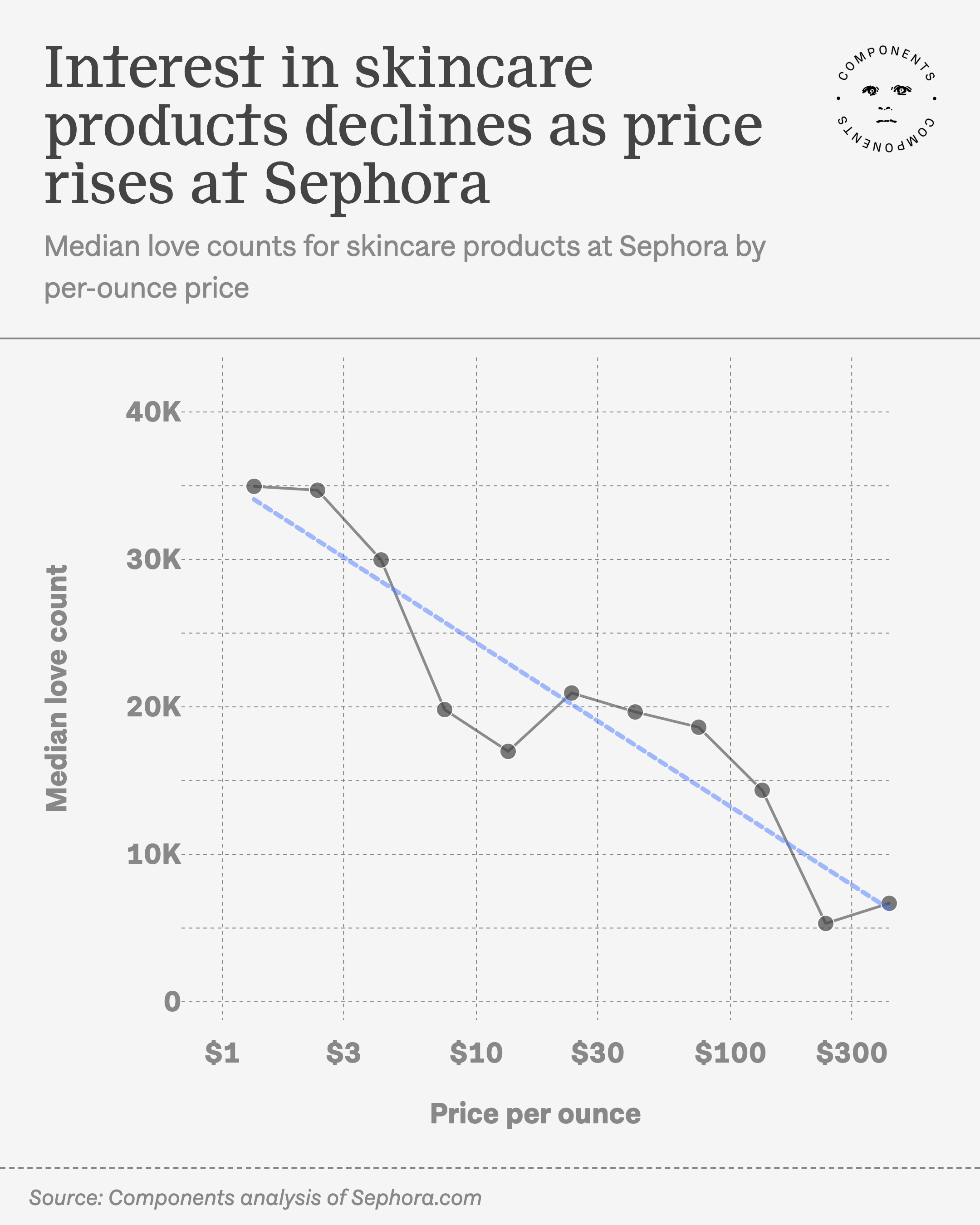
So as price goes up, shopper interest goes down, which is more or less what we’d expect: a smaller market for more expensive goods. What we might not expect is that fragrance has exactly the opposite relationship between prices and love counts:
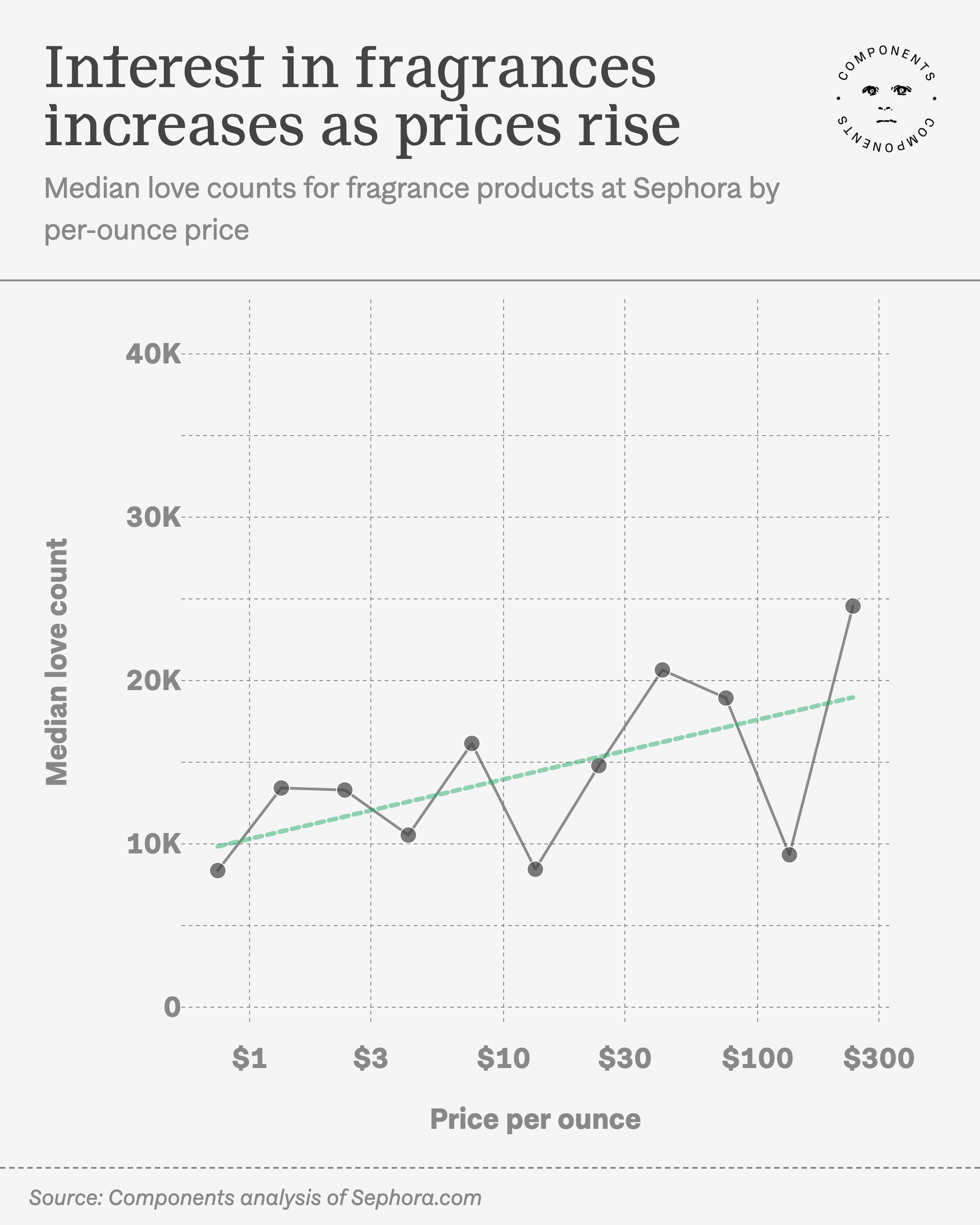
If we do the same for makeup, pull out trend lines, and put these three categories all in one place, we see all three goods pointing in different directions:
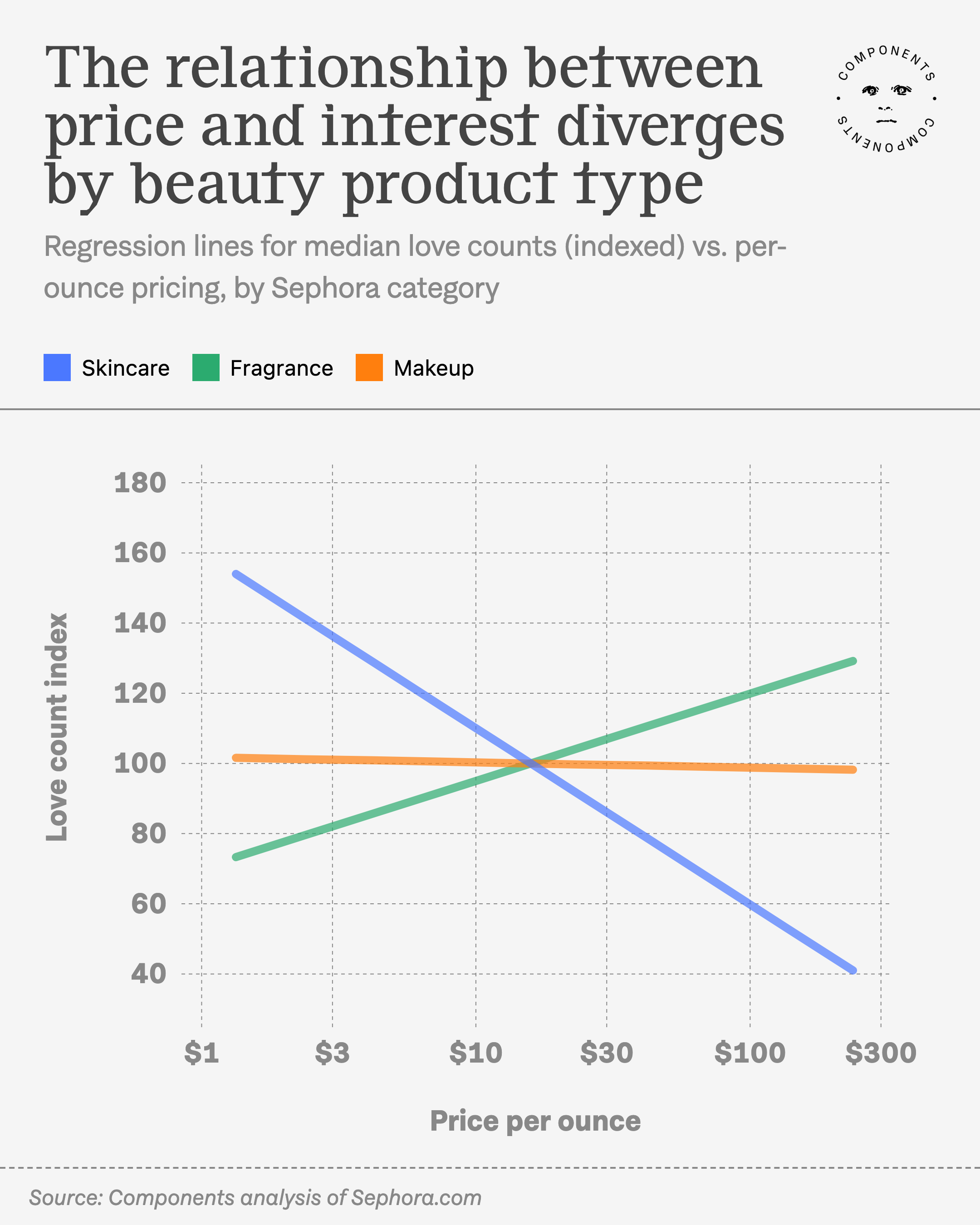
To varying degrees, brands claim that the value of their product is more than the sum of its inputs. People are most receptive to this claim when it is a fragrance — that as price goes up, something of greater value is being purchased. They believe this claim with makeup as often as they disbelieve it. They mostly fail to accept the claim from a skincare brand. This is the market’s gut instinct about what things are, and its intuitive grasp of the axis that underlies the whole universe.
Different terminologies at best gesture towards all of this. There are search goods vs. credence goods, rational vs. irrational actors, products vs. “the experience economy”, and so on. None fully correspond to the two underlying assertions about the world from which they emerge. Let’s instead say that this opposition between people’s positions towards skincare, makeup and fragrance results from their position within two different market spaces that emerge from two competing ontologies: the technological and the contingent.
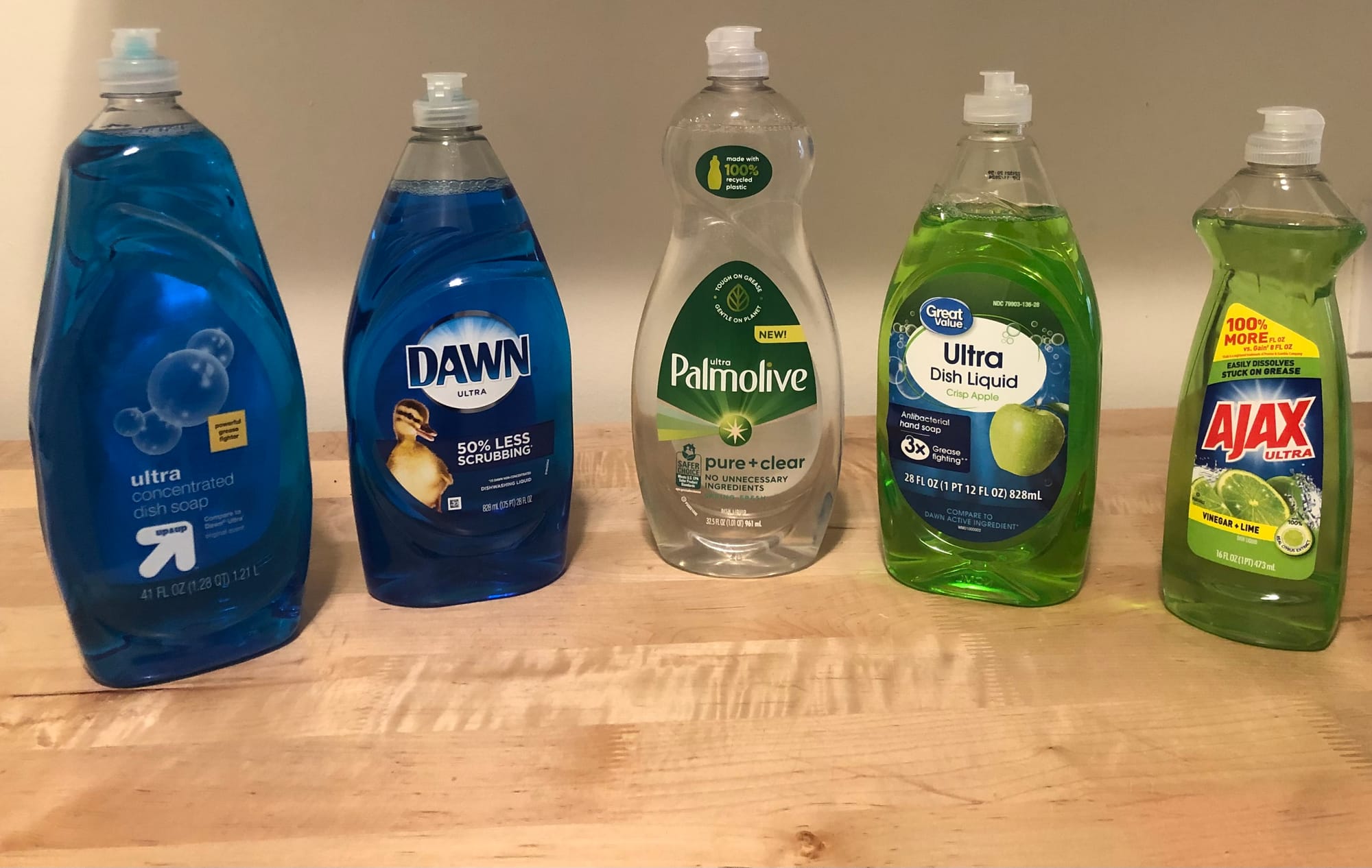
In their theoretically purest forms, technological things are static, literal, objective, and impersonal. When turned into products, they are evaluated by their ability to effectuate some end — if there is no yield to the product, the product has no value. Because goods are reducible to their constituent parts, they can be compared with other goods based solely on those parts. This is the world of utility maximization, Plato, Eli Lilly, financial markets, effective altruism, cloud computing, lightbulbs, engine coolant, dish soap, crystal methamphetamine, and withdrawal.
Contingent things are relational, metaphoric, and personal. Their very meaning is co-created by their intercourse with other things, and their goods have no easily quantifiable framework of evaluation. Knowing that two films were both directed by Paul Schrader and star George C. Scott tells you nothing about what they are; it’s not until you watch the film that you know. The meaning and value of contingent things is not unlocked until you actually perceive and experience them, and that value is unstable across time, person and place. This is the world of language, profligacy, Wittgenstein, dogs, existentialism, Loro Piana, Mario Kart, cocktails, and grief.
In technological space, goods are reducible to their inputs because the outcome is reducible to its outputs. Everyone agrees very specifically on what the good is supposed to do. What’s an antibiotic supposed to do? Kill a host’s infectious agents while killing as little of the host as possible. That outcome is a list of delineable, easily quantified objectives. No one disagrees on what any of this means because the drug’s objective, and the optimal means of achieving that objective, wasn’t designed by any of us. It’s part of a system, “out there”, that we detachedly examine. The value of the antibiotic is a conversation entirely between the compound and the biological system. Some drugs will do it poorly, others will do it better, and some will do it best. And so antibiotics, like any technological good, have a global optimum, a really existing Right Way to do something, whether we’ve discovered it or not. In this space, people are invested solely in the outcome and indifferent to the specific good itself. There is nothing to want beyond exactly what you wanted.
With contingent goods, the abstraction occurs on both sides of the input-output equation: the outputs are at least somewhat irreducible, so the inputs are also somewhat irreducible. Answering what makes a good dog is no easier than providing a universal answer for what a dog is supposed to do. While people are indifferent to their antibiotics, they are not indifferent towards their dogs. Because of this, there is no universally best dog or cocktail or movie. And it’s precisely because of your experience of either of them that they contain value. We can agree on the value of antifreeze, but not of a Balenciaga Le City bag, because the purse is more than the cows skinned for it. And if we ask whether this bag works, even an infinite amount of answers in the affirmative will only ever amount to n=1. The world can never reach a global consensus about a contingent good. Insofar as it can work, it may work for you alone.

The purest technological goods, then, converge onto efficiencies — once the world has discovered the contemporaneous Right Way to treat cholera or prevent photoaging or deliver the internet, all that’s left is a race to either A) chart the coordinates of a new global optimum through a new discovery or B) do so for as cheaply as possible. Pharmaceuticals operate by technological market logic in its most distilled form. Pfizer discovers a new compound to target lymphoma. It receives a patent and charges as much for the drug as possible. If it works better than other drugs targeting the same outcome, it sells more than the other drug. The patent expires in 20 years until generic manufacturers enter the market all at once and exert precipitous downward pressure on price. Pfizer then develops a new input to optimize a new outcome, the new patent expires, and the cycle continues.
That’s technological space. Can you guess which space love goes in? Consider the cliche: you are rounding the corner and crash into them and your belongings fall to the ground. They help you pick them up and you look at them and wow, there they are, you start talking, etc etc. Two months later you tell your friend that you love them, and they ask you what you love about them.
Let’s continue the trope; what do you say? They’re “smart” and “funny” and “beautiful” which really translates to, they make the world more meaningful, they activate a childhood delight, and your desire for them is a reverberation from a place whose origins are lost to you. What you would never say is, they have a high IQ, they can make a joke and usually 70% of people in the room laugh, that their cheekbones-to-chin ratio is a solid 3:2 or whatever the looksmaxxers say it should be, because they might not have either and whether they do is irrelevant, and if you were able to reduce it to any of these things it wouldn’t really be love at all but rather the very definition of nihilism, because then the person would be fungible.
And so you met this person through a series of but-for events of being in the right place at the right time, that by its very unnecessity, the very fact that it did not have to happen and almost did not, is paradoxically what makes it feel like it had to happen. And if forced to describe what the love is at gunpoint you can’t, because none of these words (smart, funny, whatever) reliably translate to what someone else would think of these terms, because there’s nothing universal about any of it. Its very potency is that it cannot be articulated by enumerating its inputs, and it’s only through your experience of them that it exists at all.
As a very base rule, skincare veers to a technological market space and fragrance sits almost entirely in a contingent one, while makeup straddles the line between the two.
Like engine coolant, skincare has one goal, and that goal is to counter dermatological entropy. And just as there are infinite forms a cracked egg can take but only one way it can exist in its precracked form, the reversal of dermatological entropy — via elasticity or texture or sun spots or moisture barriers — will always aim towards either uncracking the egg or at least slowing down the rate at which it cracks further. Your opinion toward hyaluronic acid serum does not constitute what it is or have any bearing on its efficacy. You are not likely to get terribly attached to hyaluronic acid, but even if you were to hyperfixate on hyaluronic acid, its function as a humectant would be unchanged. When skincare makes a promise, that promise is delineated in the clinical language of technology (“Reduces pore visibility by 72% in 4 weeks” and so on).
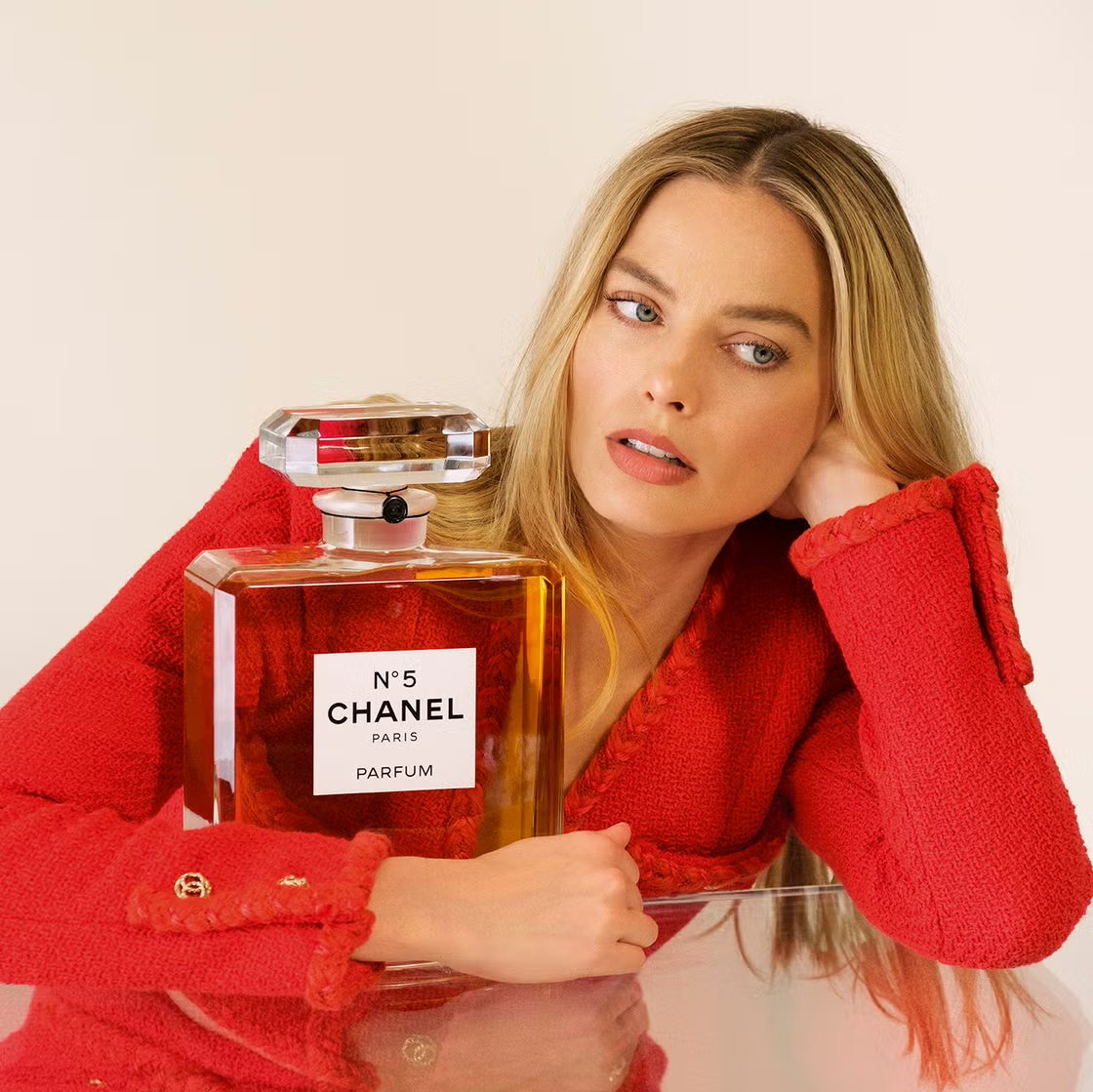
Makeup occasionally and increasingly speaks this language. Dior promises no retouch for 24 hours, and as the latest wave has adopted more clinical ingredients, it can boast of its hydrating properties, its peptides, and so on. But this language is not its mother tongue. Instead, lipstick gets Margot Robbie. Both demonstrate that the product “works”; it's just that contingent functionality does not translate against technological criteria.
So what are makeup’s irreducible inputs? First, the pigment, which is inseparable from the technique: not in its longevity or durability, but in its color and consistency, which act on the eye of the beholder and not the lipid barrier of the wearer. In terms of raw material inputs, two lipsticks may be functionally identical. But even slight variations in the manufacturing process can result in different textures and tones — which, further downstream, encourage different ways of wearing, from fresh-faced to full-beat. Each outcome may well be a success or a failure depending on the wearer, their self-image, and their own private cast of idols. Styling is, in a word, a matter of taste, and adapalene is not.
Second, there is the brand itself, the product’s most irreducible ingredient. What is a brand but a cluster of associations floating in a relational suspension fluid that determines what it is without any static reference — that is, the very definition of contingency? Chanel gets Margot Robbie; therefore Chanel is Margot Robbie. And one day it’ll get someone else and then be something else, and therefore, in a very real sense, it will do something else.
By the time you arrive at fragrance, contingency is all there is, Chanel is all there is, and Robbie is all there is. Chanel N°5 is not $150 because Coco minmaxed sillage, any more than a Chanel Cruise SS'26 cardigan is $650 because it has arrived at the precise optimal thread count. Dupes of any given Chanel scent are certainly widely available, but even an identical replica would not threaten the company in the way that generic semaglutides threaten Novo Nordisk, because the brand is not rooted in the efficacy of active ingredients or the stability of biological need, but instead in the stuff of our subjective, conscious lives: projection, differentiation, self-identification. If Robbie were to serve as brand ambassador for tirzepatide (like Serena Williams), then that would be quite the marketing coup for Eli Lilly, but her cosign would have no eff†ect whatsoever on the digestive system’s glucagon production. Yet her attachment to Chanel — together with the bottle, your memory of that first spritz, all the things that have no stable meaning across populations but are the very nature of contingency — does determine the experience of the scent, and therefore what it even does.
And so the sign value of a brand — that wave of the semiotic wand that, by affixing its label to the object, transfigures it into something more desirable than its constituent parts — sticks readily to contingent goods and not-so-readily to technological ones.
Of course, skincare brands do all this too. The difference is this: the claims of a retinoid are entirely falsifiable by analyzing the response of the technical system of the skin, whereas the falsification of Fleur de Peau is not only as impossible as it is with any contingent good, but entirely beside the point. Fragrance has no global optima because it is not a problem to be solved in the first place: there is no final answer, no final technique, no universal anything. When one works or doesn’t we can explain exactly why, and with the other, we can’t. Whether Santal 33 works at all is up to you; no one decides if zinc oxide works but God.
On at least an unconscious level, the world acts as if the difference between technology and contingency were already common knowledge. It’s why you can buy a NARS Orgasm Blush but not La Roche-Posay Orgasm Hyaluronic Acid. Knowing unconsciously is not knowing consciously. The Ordinary understood the difference, and it used it to short the skincare market and set its terms.
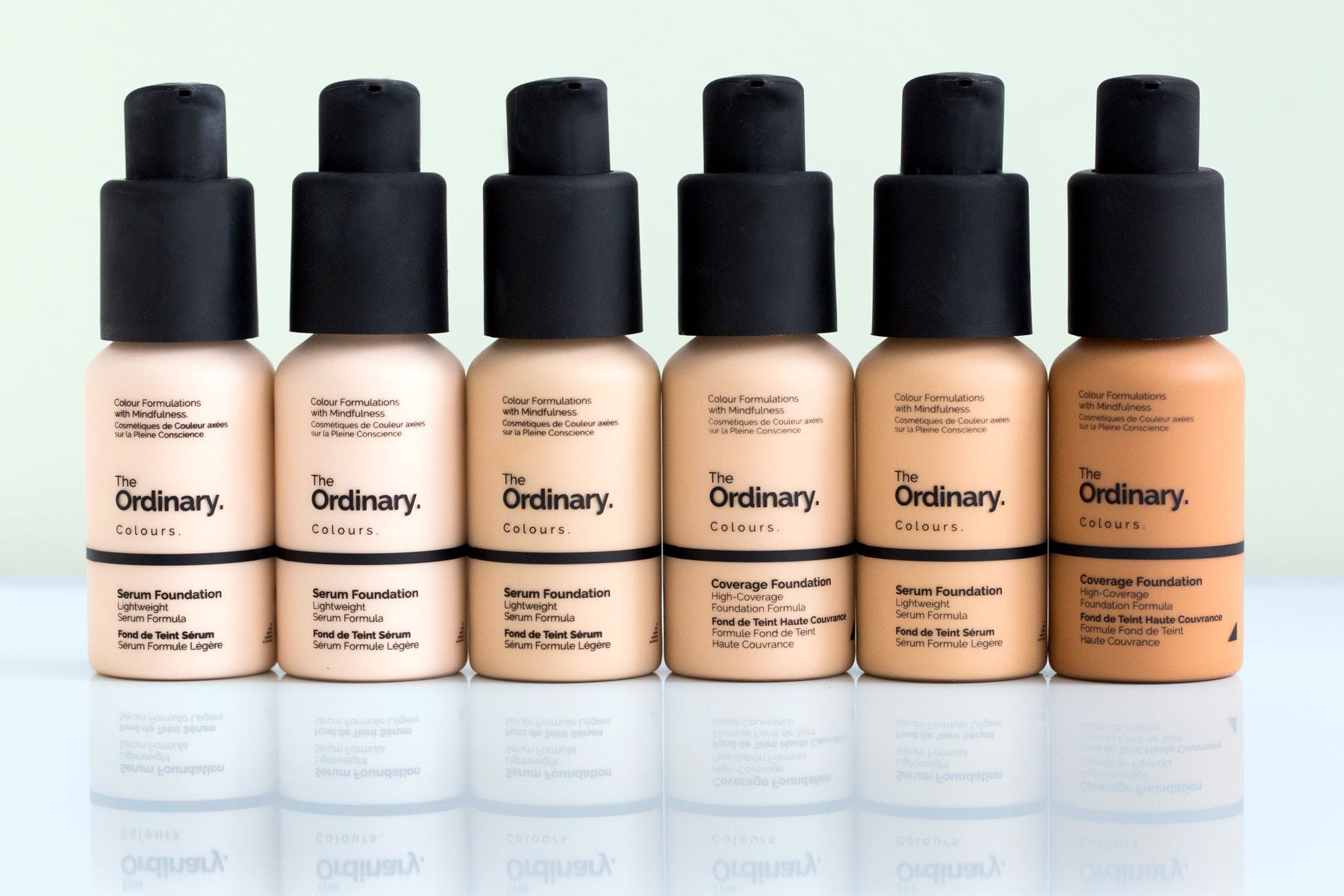
The Ordinary was built around the sensibility of its software developer founder Brandon Truaxe, who launched the brand in 2016 after realizing how cheap it was to synthesize the chemicals marked up 100x by dominant players in the industry, and hired chemists who specialized in pharmaceuticals and biotechnology, not beauty. “I mean, sure, I want the medicine to taste good,” Truaxe told one interviewer. “But I want the medicine to work.” Against the reigning conventions of the industry at the time, the brand sold direct-to-consumer, with bargain basement prices to match the unvarnished packaging. DECIEM, The Ordinary’s parent company, received its first investment from Estée Lauder a year after its inception, and was fully taken over by the giant for $1.7 billion in 2024.
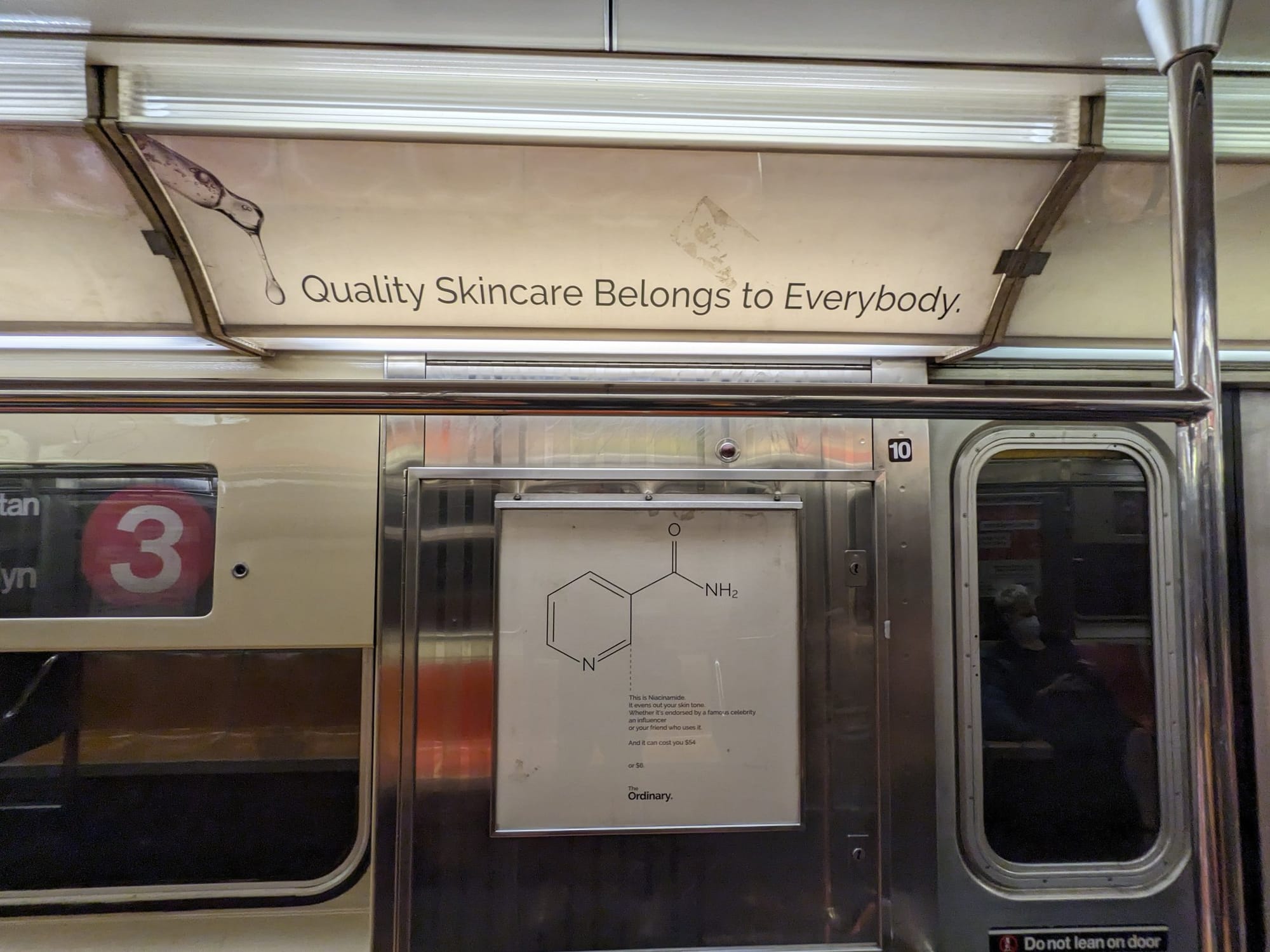
If you happened to be in a major cosmopolitan center that year, you probably saw their ads, which read like this:
“This is niacinamide. It evens out your skin tone. Whether it’s endorsed by a famous celebrity an influencer or your friend who uses it. And it can cost you $54 or $6.”
Are brands even allowed to talk like this anymore? The entire consumer economy for the past half century had conceded that we live after Edward Bernays; demand is activated through the subconscious. The assumption of the modern era of advertising has been that everything needs to find a path to a claim of irreducible contingent value — the product is different but you can’t really say why.
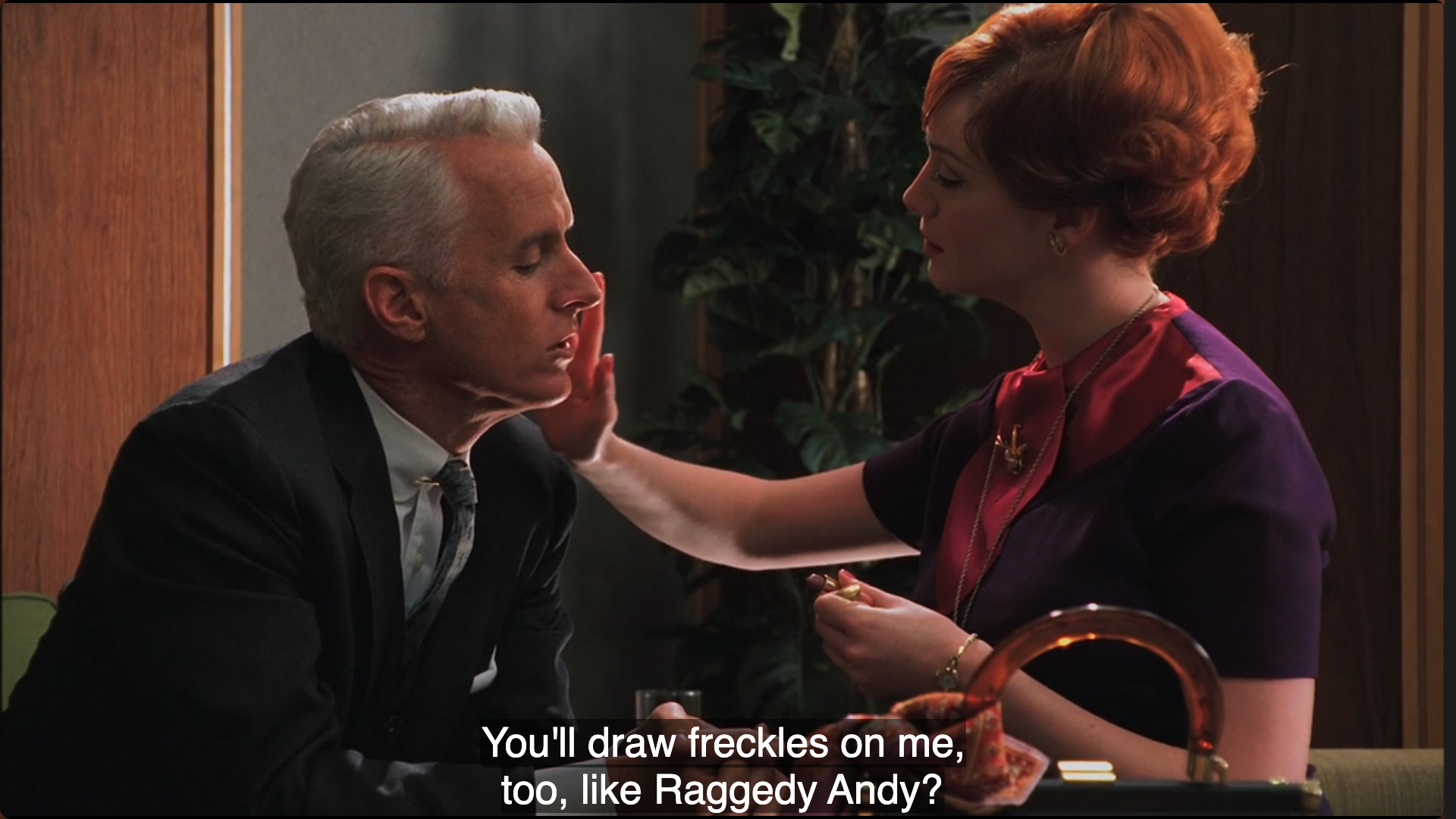
This was obviously Mad Men’s thesis statement, articulated in its most iconic scene from the first episode. If you’ve watched the show, recall the scene: the tobacco companies are under fire amid the rise of the government’s crackdown on the health claims in their ads. Cigarette makers can no longer argue that filters, low tar, or any other input produces a healthier output. What were the companies to do?

Don Draper’s epiphany was to move from a technological to a contingent value proposition: “We have six identical companies making six identical products,” he says. “We can say anything we want.” He asks how Lucky Strike is made, and the client rattles off specifics: “grow it, cut it, cure it, toast it, treat it—”
“There you go,” says Don, writing “It’s toasted” on his brainstorm blackboard.
“But everybody else’s tobacco is toasted.”
“No, everybody else’s tobacco is poisonous. Lucky Strikes’s is toasted.
With six identical products and no way to boast of a technological superiority of one product over the other, there are only two ways to go. One is Draper’s method of projecting the ineffable onto the product, which became the whole industry’s conventional wisdom. The other is a return to the laws of classical economics, which would not have forseen branding narratives, and would have instead forseen an endless price war among cigarette makers. The problem with the classical expectation is that this thought experiment rarely occurs with any fidelity. People don’t know whether the cigarettes are the same; they operate with very imperfect information. The claims for invisible margins of value fill the gap of uncertainty.
The Ordinary’s entire marketing campaign injected information symmetry between buyer and seller, caulking the gap. You thought this space was a competition of contingent value propositions, but it’s not. That leaves only one way to compete: they’ll offer it to you for $54, we’ll give it to you for $6. Any other feelings you have are a mistake. They’re all toasted.
Those brands operating in technological space that command higher prices than their inputs and outputs would account for cannot concede this equivalence without their whole identities collapsing. Instead, they try to have it both ways, with technical outputs obfuscated by mysterious inputs. None is more bound to this strategy than La Mer, the very kind of operation The Ordinary is designed to subvert. The basic claims made by the brand’s products are as dryly straightforward as any other technological good; its Crème de la Mer claims to improve skin barrier resilience by 81% within two weeks, and its Night Recovery Concentrate promises a 41% decrease in intensity of post blemish marks after 4 weeks.
So far, so technological, until you realize the brand’s name is what it claims as its eponymous hero ingredient, “the sea itself,” which is distilled into its proprietary Miracle Broth™:
“Crafted with a blend of sustainably harvested Giant Sea Kelp, vitamins, minerals and other nutrients, Miracle Broth undergoes 3 to 4 months of fermentation and exposure to light and sound waves…A formula known by only a few scientists, passed down over time, each new generation of Miracle Broth is infused with drops of the one that came before, creating a timeless link to our original.”
Much has been written before about the woo of La Mer’s mythos and its $390 creams, and to anyone familiar with the brand, it should not surprise them that in our model, it sits at the top of the ladder for those claiming margins of value not captured in their INCI list. So what exactly are those claims? Unlike Augustinus Bader’s patented exosomes, La Mer’s claim is, like any truly contingent good, that neither the inputs nor the outputs can be fully reduced.

The signage of its irreducible inputs are everywhere, not just in the sea, but in its marketing copy that the cream is “filled by hand”. Even the idea of the cream’s “timeless link” tries to impart the same heritage value as N°5’s origins that it was made by Coco Chanel’s Rasputin-murdering lover and has retained the same formula since. Does that story change how you experience N°5? It sure changes ours. And knowing that the seaweed in the La Mer cream is somehow linked to the seaweed of a long-ago La Mer cream maybe changes your experience of that product as well. What it doesn’t change is how the technical system of the skin reacts to it.
And so the output one is left with is the miraculous sensations of the broth. The Créme de la Mer is a silken but almost artisanal texture that smells not potent but clean, and not just clean, but cleansing; a room in Saint-Tropez where the brasseries are open late and the bread is delicious in a way you just can’t get in the States. The Ordinary’s copper peptide serum is a blue goo that goes on the skin with gluestick consistency and contains notes of aged cum. It contains no fragrance because fragrance adds cost and advances no efficacy. And so The Ordinary's entire anti-aesthetics (plaintext banner ads and greige paste) flaunts the disentanglement of efficacy and experience, while La Mer makes the exact opposite proposition. Like perfume, the experience and signature of La Mer is its claim to efficacy (if not the effect in itself). It is an argument made in sensation rather than biochemistry, which is precisely why it cannot be refuted in kind.
The Ordinary's entire thesis — that the typical skincare product is one or two active ingredients, with a great many superfluous elements caked on top — is so patently correct that you can use it as a floor to explain the entirety of skincare: for example, why celebrities continue to enter the skincare sector and operate with great success, even in the face of the downward pricing pressure that the brand accelerated. So long as the moisturizer aisle is various mixtures of the same inputs in different bottles and squeeze-tubes, then an adequate brand with a celebrity namesake very well may fly off the shelves. The only thing it will struggle to do, it turns out, is charge a premium.
Rhode provides a case in point. If La Mer is the apotheosis of conflating technological ends with contingent claims to value, then Rhode is what happens when you sever them from one another while still leveraging both.
First, a question: If Rhode were a physical ingredient, sitting somewhere between the resorcinol and the rosehip oil, how would that ingredient affect the product's cost? This is what we can call the brand premium, which we can calculate by extracting what each brand charges on top of what it would cost, on average, were it not from that particular brand, within the world of Sephora’s pricing. Conversely, we can see whether the brand assigns a discount to its name.
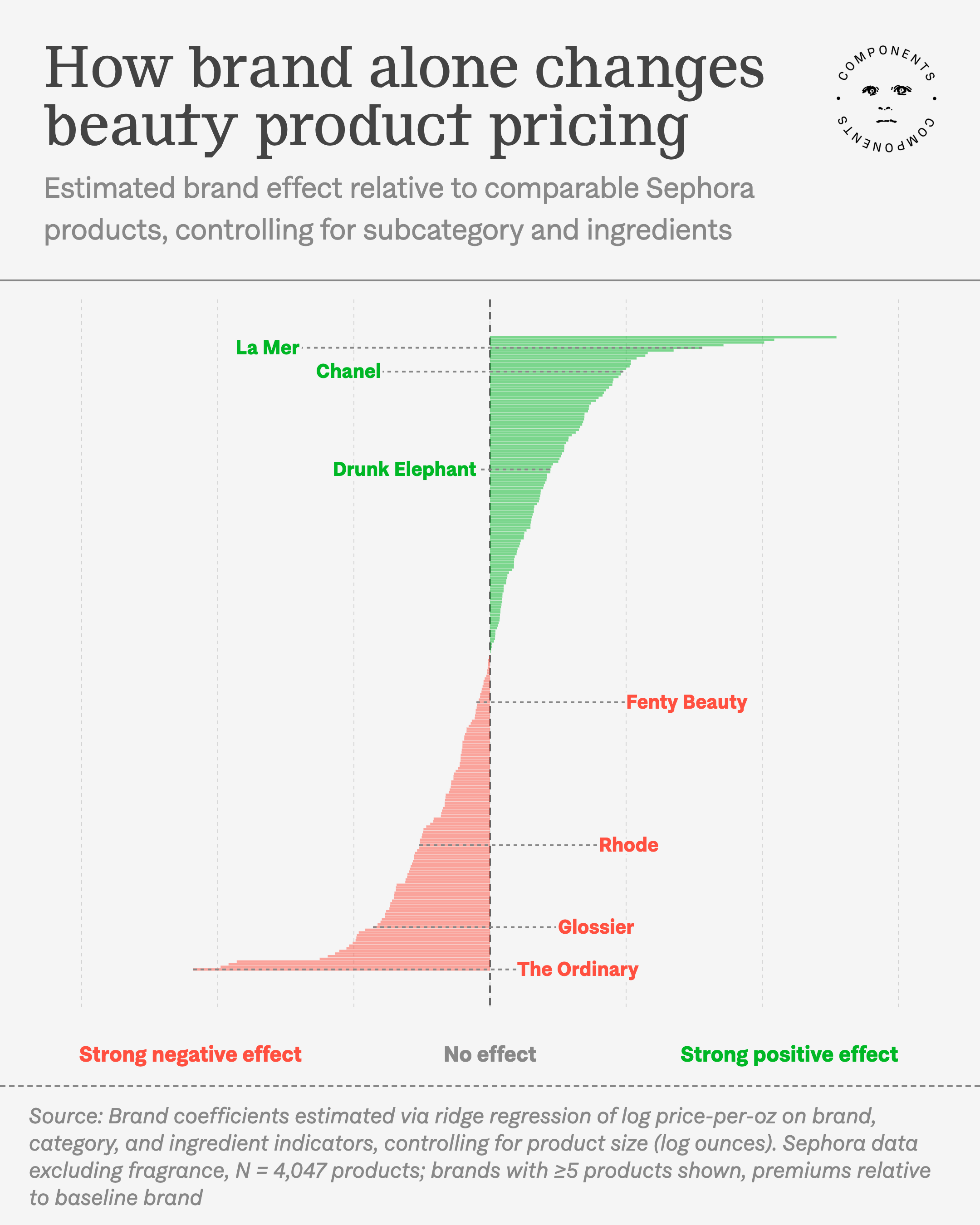
If any skincare brand might compel America to pay such a premium on the basis of celebrity alone more than they should for a namesake, then Ms. Bieber’s would seem a safe bet. That bet would be a bust. Rhode skims nothing off the top. All the Krispy Kreme pop-ups in the world can’t change the fact that once you decide to sell moisturizer and face cleansers, to announce on product pages that key ingredients include glycerin and vitamin E and not the wild grasses of Andalusia, you announce a product of fungible inputs, which is why Rhode generally falls below the median pricing within the categories it operates in, and within some, is competitive with CeraVe. Parasociality is well and good for generating publicity and sheer sales volume; when you buy Rhode, after all, you buy Hailey, and so it's no wonder that true Beleibers choose glazing milk over equivalently priced Drunk Elephant or Charlotte Tilbury creams. Celebrity can shape loyalty, awareness, and consideration, and yet it has not emboldened Rhode to mark up prices against ingredients.
So where does Rhode harvest this contingent value-add? In the accessories, we reckon: the Rhode compact mirror ($24), the Rhode Erewhon pink drink ($20), the Rhode phone case ($38). Much has been made of the marketing savvy behind that case (which was so fully a fashion that it vanished by this spring), but seemingly none have noted how it captured surplus spend that would be impossible to capture within the skincare market itself. You may know no more about what actually goes into a Rhode phone case than you know about how they formulate a Rhode refresh cleanser. What matters is that even if you don't know the first thing about the going rate for bulk PDMS silicone or an injection-moulding and vulcanization facility, you've been on r/skincareaddiction enough to know that you’re a sucker if you're paying more than $5/ounce for shea butter.
These are now the operating conditions for any skincare brand. That Hailey Bieber’s can only extract a premium when selling peptided-up lipstick or diversifying into tchotchkes represents a tacit admission that skincare is not a contingent marketplace — The Ordinary has called the market's bluff on à la carte pricing, putting downward pressure on its competitors, and every skincare brand must decide whether they will reach its customer through their heart or their wallet. Estée Lauder may have glued so many feathers to La Mer that it can flap around up in contingent space, but it's lateral hedges like Rhode's phone case (or Fenty's lingerie, or Glossier's pink hoodie) that will come to play a greater role in skincare as the sector slouches towards commodity pricing.
La Mer and Rhode have each taken great pains to bring contingency into a technological market; the only difference is that Rhode has not attempted to charge 10x the price for it. But can you blame them for wanting to have it all? Technology without any contingency is Clavicular, all self-improvement rites and sexless sex, the anti-mystique of Patagonia-clad rationalism. Contingency without any technology is a body positivity discourse that collapsed under the weight of Ozempic. The first by itself is nihilism, the other is cope. The challenge for any entity is that once you’ve built a life as one, pivoting to the other is no easier than turning a petrostate into a tourist economy. That The Ordinary's own attempt to launch a makeup line with its Colors project failed points to the difficulty of traversing market spaces when your identity and economics have so firmly rooted you to one in particular. The value propositions of ruthless efficiency don't translate as well when ruthless efficiency contradicts the point of the product.
Sooner or later, people are forced to confront which space something belongs in. Entire companies, marketing strategies, brand identities, and cultural turns spin around the belief that no one will ever figure it out. Eventually they do. They get that they’re all toasted, niacinamide is niacinamide, the stripper doesn’t really love you. The converse realization is just as true, usually with more frantic regret — that the dupe isn’t the Birkin, matching on Hinge is not a meet-cute, a coke binge isn’t happiness. Placebo effects are real, they’re just short lived.
Eventually circumstances collude to pressurize markets into seeing things for what they are. You saw this happen if you worked at a large company in 2021 and 2022. One day your firm’s SaaS roster was loaded with dubious enterprise apps at a cumulative toll in the millions of dollars per year. The next day, after the Fed raised rates, those same apps were seen for what they were: useless artifacts of performative enhancement that didn’t increase productivity in the slightest. If they had, the subscriptions would have justified themselves. The smallest macro environmental shift forced an already implicit knowledge to become explicit, and suddenly the apps were offloaded by the hundreds.
Here’s our hypothesis: consumers recognize which products belong on which side of the technology-contingency axis when their finances turn. When they downgrade from large luxury to small, they do so on the same side of the axis. People will move from a Bottega bag to Dior lipstick, as the eponymous index suggests, or from La Mer to The Ordinary. But it’s hard to fathom that they move from Bottega to La Mer. Under a tighter budget, the technological nature of the product as skincare is laid bare, and in the long run, it is not subjected to the same evaluative framework as Rick Owens. But the lipstick and the perfume — those actually are, and the market’s gut instinct knows the difference.